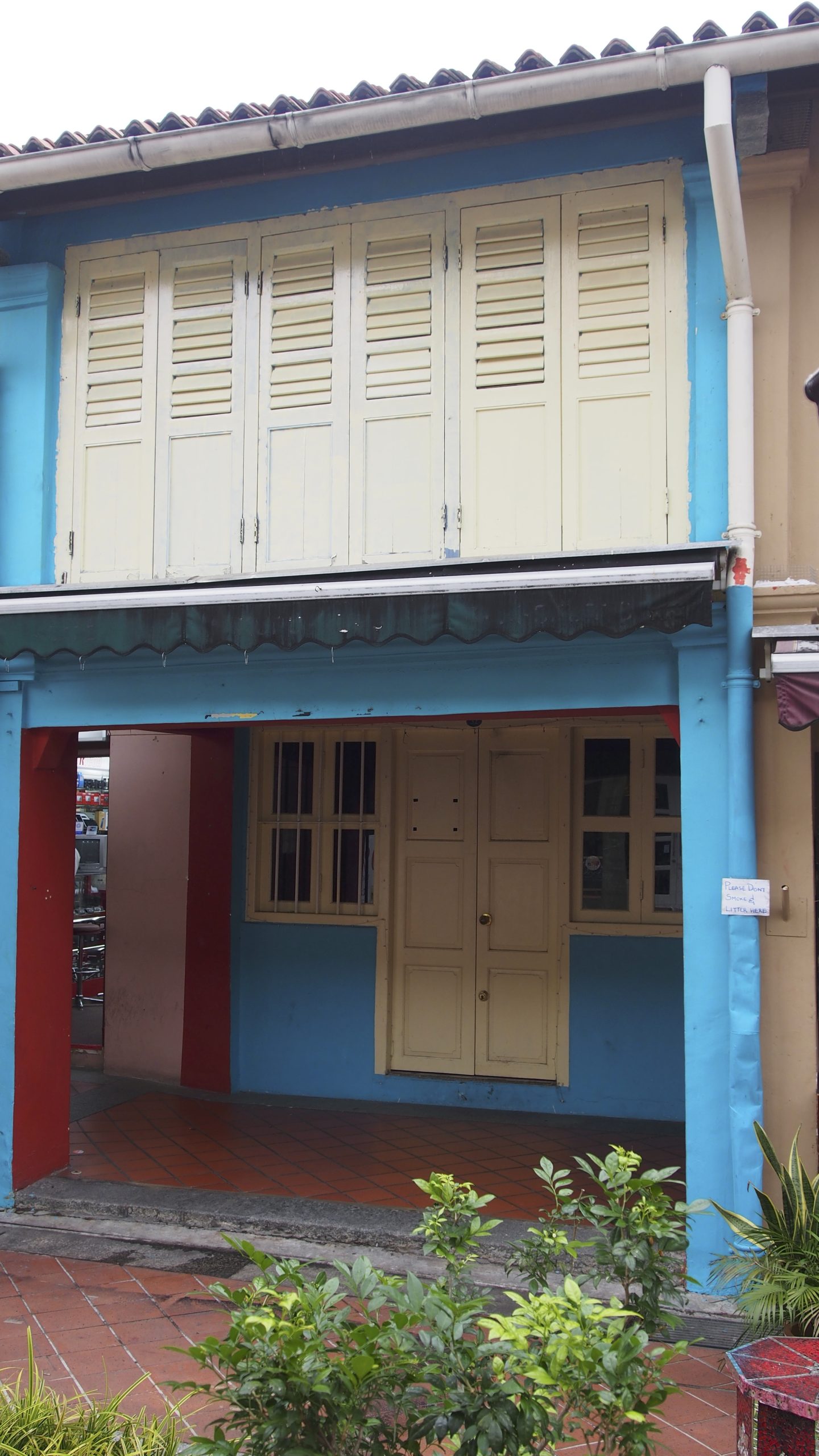
You walk past an older commercial building, half-empty, with good bones and a great location, and a thought forms: this would make a wonderful boutique hotel. Then the practical voice kicks in — buying a whole building is an enormous outlay, probably beyond what most investors want to commit. So the idea quietly dies.
Here’s the thing: it doesn’t have to. You don’t need to own a building to run a hotel in it. Leasing — sometimes called a master lease — is a completely legitimate, well-worn path into hospitality, and plenty of hotel operators in Singapore run exactly this way. Let me walk you through how it actually works.
The big idea: separate the landlord from the operator
Think of it like any other commercial tenancy, just with an extra layer of licensing. The building owner stays the landlord, collecting rent. You become the operator, running the hotel business, holding the licences, and keeping the profits from room revenue. It’s the same structure behind countless serviced apartments, boutique hotels and hostels across the city — the person running the front desk very often isn’t the person who owns the building.
Step 1: Confirm the building can legally be a hotel
Before you fall in love with a location, check its zoning. Under URA’s Master Plan, a building needs to sit on land zoned Commercial, Commercial & Residential, Hotel, or White for hotel use to even be on the table. You (or a consultant) can check a building’s approved use and zoning directly through URA’s records before you get too attached.
This matters enormously if the building is currently approved for something else — say, offices or retail. In that case, you’ll need to apply for a Change of Use before you can legally operate a hotel there, which is entirely doable but adds a step (and a small fee) to your timeline.
Step 2: Get your landlord genuinely on board
Here’s a detail that catches people out: you cannot apply for change of use or hotel licensing without the landowner’s written consent. If you’re leasing rather than buying, your landlord’s cooperation isn’t optional — it’s a hard requirement baked into the approval process itself.
So before you invest time and money in the idea, have an open conversation with the building owner. Many landlords are receptive, especially for older or under-utilised buildings, because a long-term hotel lease can offer them steady, reliable income. But get their consent in writing early, and build the change-of-use process into your lease negotiations from day one.
Step 3: Apply for Change of Use, if needed
If the building isn’t already approved for hotel use, you’ll submit a Change of Use application to URA (via the GoBusiness Singapore portal). A few qualifying situations — pre-identified uses in selected commercial buildings — may fall under a faster, cheaper lodgment scheme; otherwise, a standard change of use application typically involves a modest processing fee and roughly a couple of weeks for assessment, sometimes longer if other agencies need to weigh in.
Two things worth budgeting for here: other agencies may also need to clear the proposal (fire safety, environmental, transport considerations depending on the site), and in some cases, the Singapore Land Authority may assess a Land Betterment Charge if the change in use increases the value of what you’re allowed to do with the site. Your consultant or Qualified Person can help you check this early.
Step 4: Set up your business entity
Before you can apply for a hotel licence, you’ll need a properly incorporated business — typically a private limited company or a limited liability partnership, registered through ACRA. This becomes the legal entity that holds your hotel licence and, practically, the one that signs your lease with the landlord.
Step 5: Get your actual hotel licence
This is the heart of it. Any premises offering accommodation with four or more rooms requires both a Certificate of Registration and a Hotel-Keeper’s Licence, issued by the Hotels Licensing Board (which sits under the Singapore Tourism Board). Registration fees scale with your hotel’s size — a smaller property (under 100 rooms) sits at the lower end, rising in tiers for larger properties — while the Hotel-Keeper’s Licence carries a flat, modest fee regardless of size.
Step 6: Tick off the remaining approvals
A genuine hotel operation touches several other agencies, each with their own sign-off:
- Singapore Civil Defence Force (SCDF) — fire safety certification, especially important (and more involved) if your expected occupant load runs into the hundreds.
- Building and Construction Authority (BCA) — structural safety, particularly relevant if you’re doing any renovation or reconfiguration.
- National Environment Agency (NEA) — environmental and cleanliness standards.
- Ministry of Manpower (MOM) — once you start hiring staff.
None of these are unusual or especially onerous individually — they’re simply part of running any legitimate accommodation business — but it’s worth mapping them out early so your launch timeline is realistic.
A quick note on why it can’t just be “any building”
It’s worth being clear about one boundary: this route is for genuine commercially zoned buildings, not a workaround for short-term-letting a residential property. Private residential units in Singapore must be rented for a minimum of three consecutive months and cannot legally be used for short daily or weekly stays — so a condo unit isn’t a shortcut into the hotel business. The building itself needs to sit in the right zone from the start.
What this means for you as an investor
Leasing rather than buying dramatically lowers your capital barrier into hospitality — your money goes into fit-out, licensing and operations rather than into buying real estate outright. It also gives you flexibility: a well-structured lease lets you walk away or renegotiate at term’s end, something a building purchase doesn’t offer nearly as easily.
The trade-off is that you’re building a business on someone else’s asset, so the strength of your lease terms — duration, renewal options, and how costs like Land Betterment Charge or major repairs are shared — matters enormously. A long enough lease term to recover your fit-out investment, negotiated clearly upfront, is the single most important commercial term to get right.
A gentle reminder
This is a genuinely viable path into hospitality — but it touches multiple regulators, a real licensing process, and a landlord relationship that needs to be solid from day one. (This is a friendly overview to help you understand the landscape, not legal or business advice — do work with a qualified consultant, lawyer, and the relevant agencies directly before committing to a lease or licence application.)
You don’t need to own the building to build the business. With the right zoning, the right landlord, and the right licences lined up, leasing can be a smart, capital-efficient way into Singapore’s hospitality scene. You’ve got this.